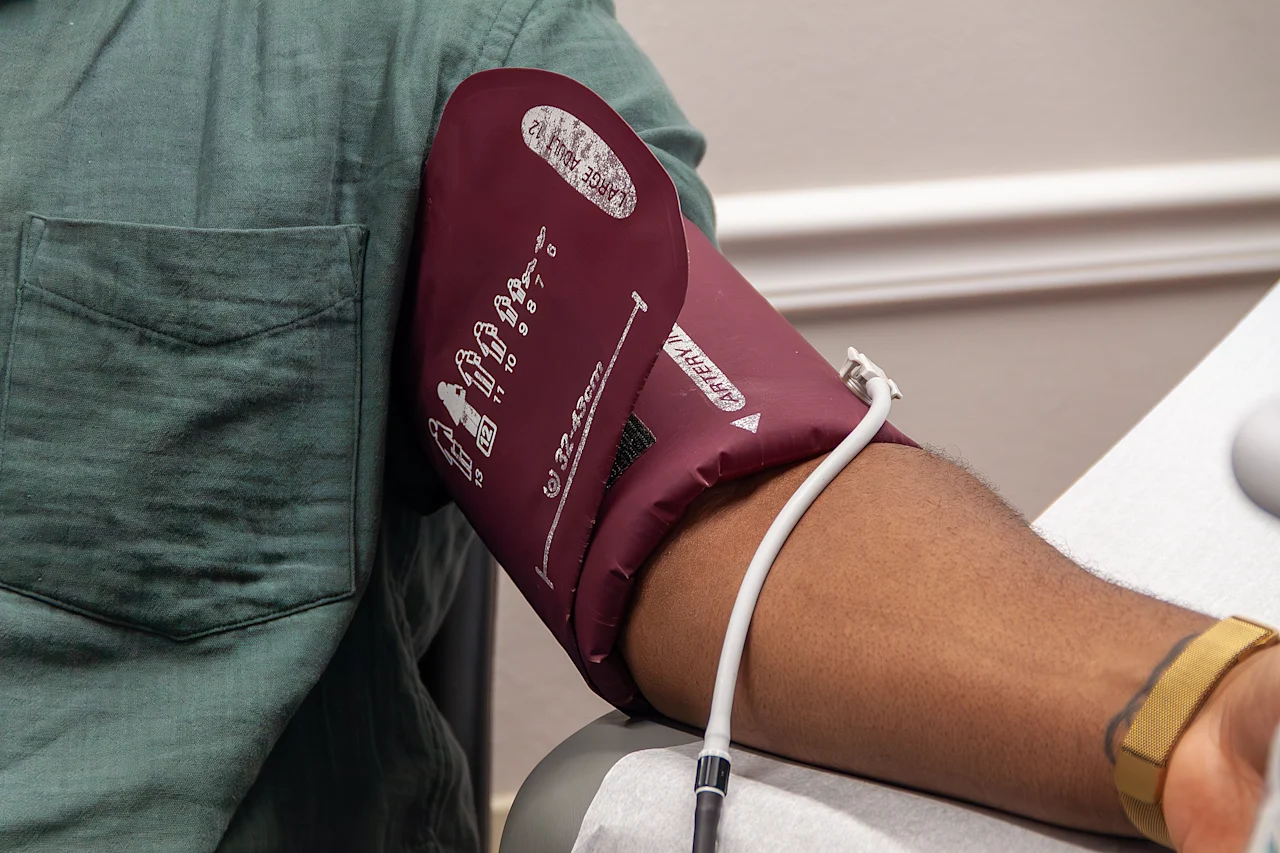
Millions of Americans with high blood pressure may be missing recommended treatment, study suggests
Researchers estimate nearly 10 million adults eligible for blood pressure medication under updated guidelines are not receiving it.
More Stories


Nearly one-third of U.S. adults with high blood pressure who do not have cardiovascular disease may be eligible for blood pressure-lowering medication under updated treatment guidelines, according to a study published in the Journal of the American Heart Association.
Researchers analyzed nationally representative U.S. health data from the National Health and Nutrition Examination Survey. They found that about 22.8 million of the nation's estimated 81 million adults with high blood pressure would qualify for medication under the American Heart Association and American College of Cardiology's 2025 guideline.
Of those adults, about 13.1 million were already receiving treatment, while roughly 9.7 million remained untreated despite meeting the guideline's criteria.
The analysis estimated that if all eligible but untreated adults received medication, about 200,000 deaths from all causes and 162,000 cardiovascular deaths could be prevented over the next decade.
Lead author Mustafa Al-Jarshawi of Keele University in the United Kingdom said the findings highlight a significant treatment gap, with more than 40% of people eligible under the updated guideline not receiving medication.
Researchers found that those who stood to benefit most from medication tended to be older, with an average age of 66, and were more likely to have other health conditions, including diabetes, chronic kidney disease and other cardiovascular disease risk factors.
The 2025 guideline recommends healthy lifestyle changes as the foundation of treatment. Examples of such changes include eating a heart-healthy diet, maintaining a healthy weight, exercising regularly and reducing sodium and alcohol consumption. It also recommends that health care professionals assess a patient's overall cardiovascular disease risk to determine whether medication should be added.
Study senior author Dr. Mamas A. Mamas said lifestyle changes alone may be enough for some people with lower cardiovascular risk. However, people with high blood pressure and a higher risk of cardiovascular disease may also need medication to reduce the risk of serious complications.
The researchers noted several limitations. The study analyzed observational data rather than a randomized clinical trial, meaning unmeasured factors may have influenced the results. It also relied on blood pressure measurements taken during a single office visit, even though current guidelines recommend multiple readings across multiple visits, and it used National Health and Nutrition Examination Survey data collected between 2009 and 2018.
(Photo Credit: American Heart Association)