Fairfield debates which parts of town to protect from controversial state law
Town are allowed to designate up to two areas, taking up 8% of the land to be exempt from the law, saying developers can build up 15 units on a lot without also building off-street parking.
More Stories


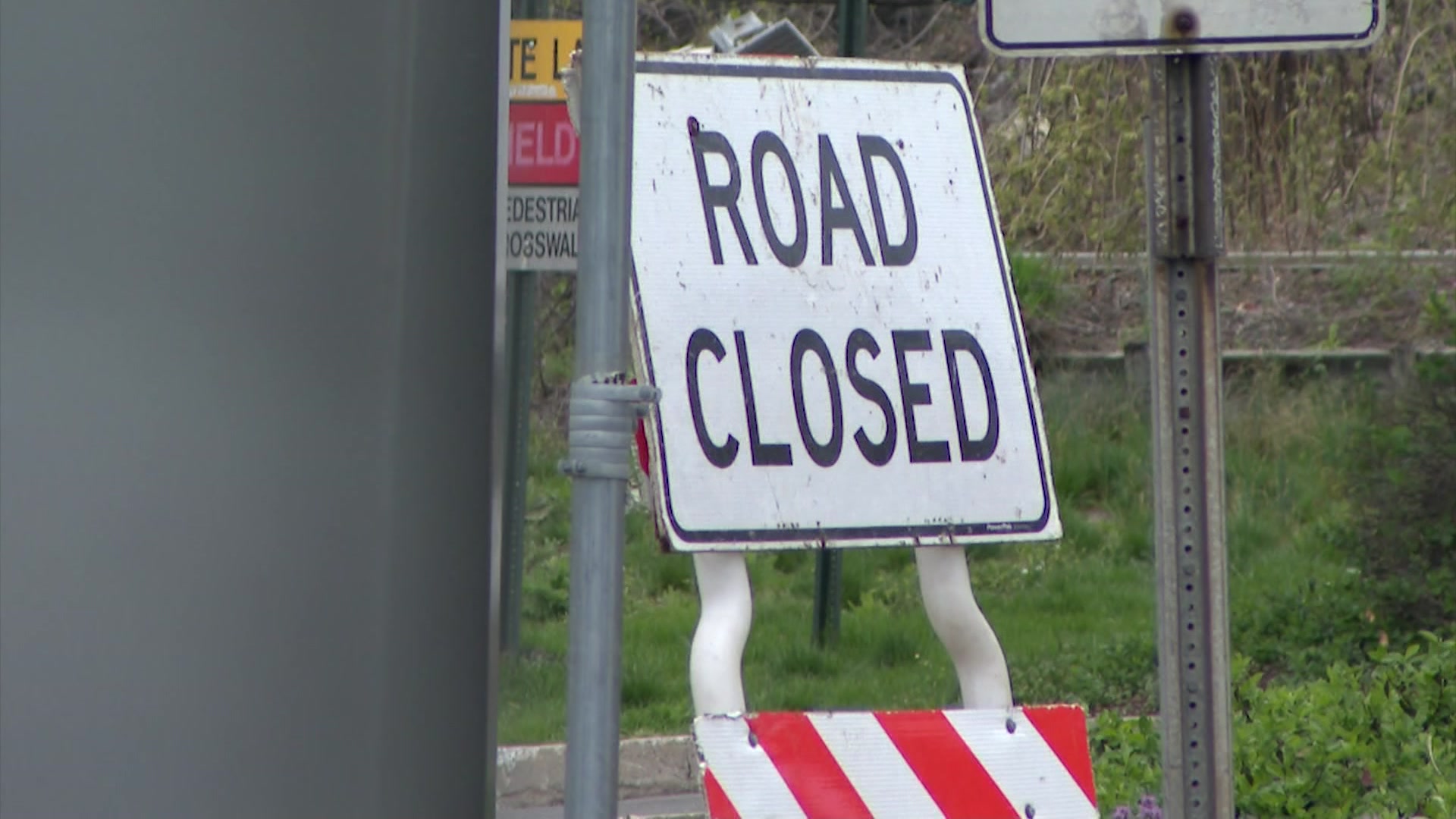
A heated Fairfield Planning and Zoning meeting was spent arguing over which areas the town should protect from a state law that allows developers to build up to 15 residential units on a lot, without also building off-site parking.
"The law is terrible. We're stuck with the law,” laughed Kathryn Braun, a zoning commissioner on the Planning and Zoning Commission.
The law goes into effect on July 1, and was designed to create more housing and lower costs.
However in Fairfield, there is concern about what it might mean for small businesses to have that many homes and no parking.
“You start stacking them one after another, every one of them could have 30 cars and suddenly, they have to spread out into neighborhoods, and now you can't drive into town to go out to dinner,” explained Fairfield resident Emily Hau.
However, the state has said towns can designate up to two areas, comprised of no more than 8% of the town’s land, to be exempt from the law and still require parking.
Braun, and other commissioners have been pushing to town to get moving on that since January, since she says “it's a lot of work that needs to go into it."
Braun and another commissioner have recommended they focus on protecting downtown, where the businesses are.
"People don't shop where they can't drive to and park,” she said. “People drive around half an hour looking for a parking spot, they're not going to patronize them."
Meanwhile, the town submitted a plan to protect more residential areas like Winston Park, arguing those places rely more on cars.
"The town planner identified areas of protection which were not in line with people I talked to,” Hau said.
To prove her point, she created an online poll for people to prioritize which areas to protect.
With over 500 votes in, downtown commercial areas have been getting
“We can take a step back and say what do the people actually want, what do people want what do people care about?” Hau said. “People care about local businesses, that's what we want to protect. It's not neighborhoods, it's businesses."
Once the town votes and passes which areas it chooses to protect, the proposal goes to the state for a 90-day review period.
Braun says it is her understanding the town can still enforce the protected area during that process.