How to stay safe after a dangerous weekend on Long Island Sound
Fairfield police are still searching for the body of a fisherman who was swept away on Saturday morning at Penfield Reef.
More Stories



Police are urging boaters, fishermen and swimmers to use extreme caution along Long Island Sound after two dangerous incidents over the weekend.
In one case, crews are still searching for a fisherman swept away from Penfield Reef in Fairfield.
DANGEROUS WEEKEND
Fairfield Police spent Monday back on the water, searching for the body of 34-year-old Kwahiwi Edwards, of Queens, New York.
Kwahiwi and another man were fishing on the reef Saturday morning when they were trapped by the rapidly rising high tide. A rescue boat was able to reach the other angler and a bystander who jumped in the water to help, but searchers had been unable to locate Kwahiwi as of Monday afternoon.
A similar scene played out on Sunday at Silver Sands State Park in Milford.
The fire department rescued five people from a sandbar during high tide. Two people were transported to the hospital with signs of hypothermia.
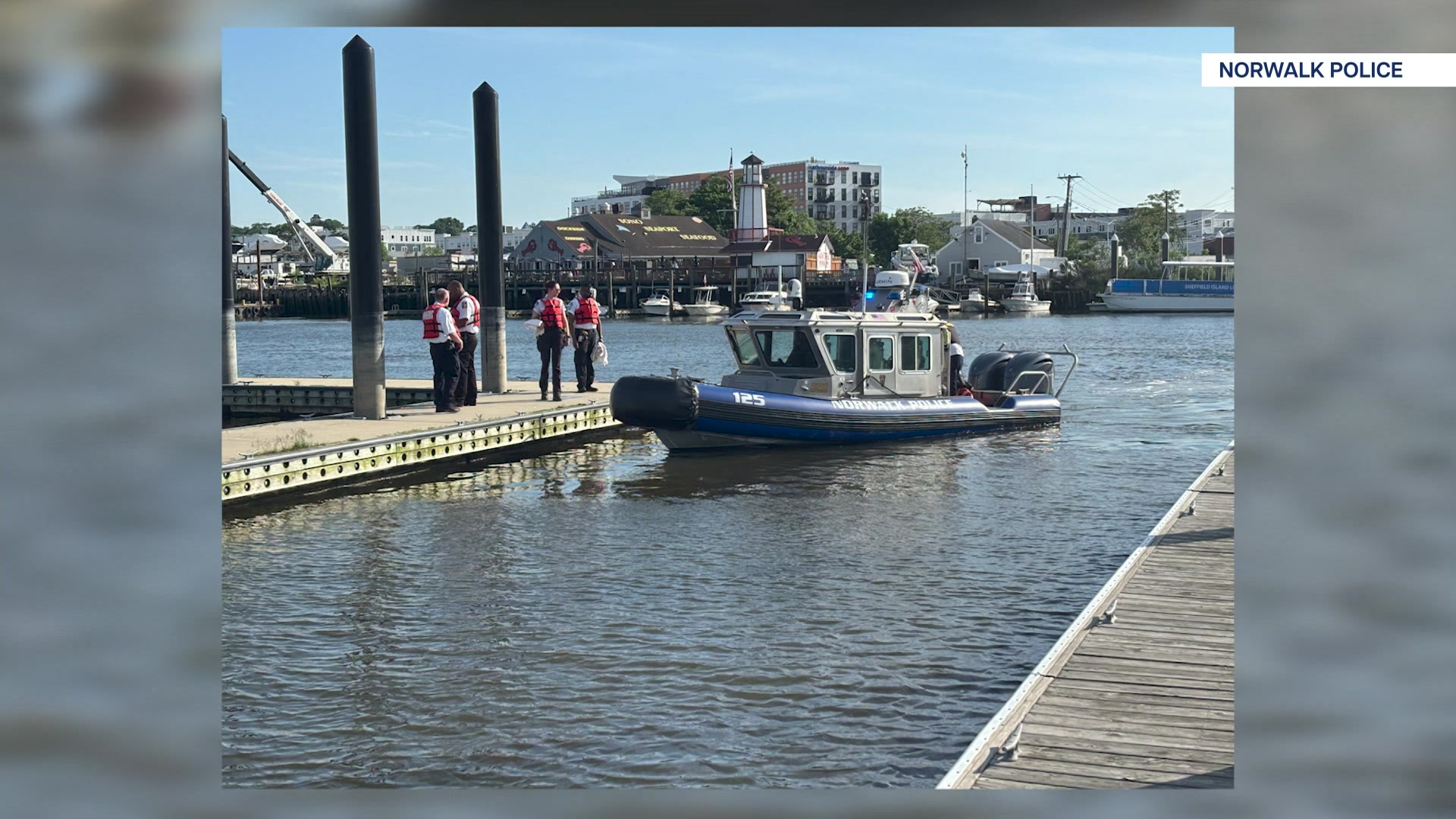
Just three weeks ago, two jet skiers had to be rescued in Norwalk. Both victims suffered hypothermia in the 57-degree water.
DECEPTIVELY DANGEROUS WATERS
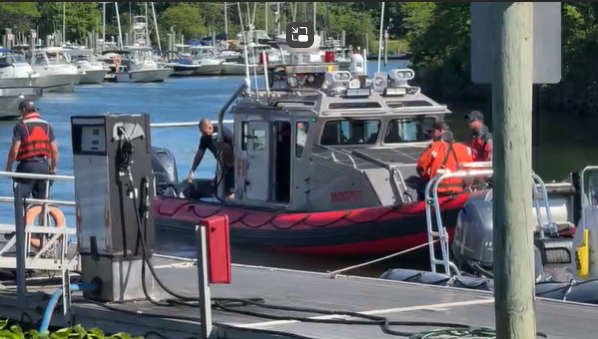
The Bridgeport Police Marine Unit deployed its underwater sonar for the Penfield Reef search. They said the area is especially dangerous because the undercurrent swirls in both directions in a criss-cross pattern.
“At low tide, a lot of people, they walk out there. A lot of inexperienced fishermen go out there – not from the area, mostly from New York,” said Officer Jason Goncalves. “They come out wearing their waders and all their gear and they don’t pay attention to the tides. And that’s – when the tide comes in, that’s when they get frantic.”
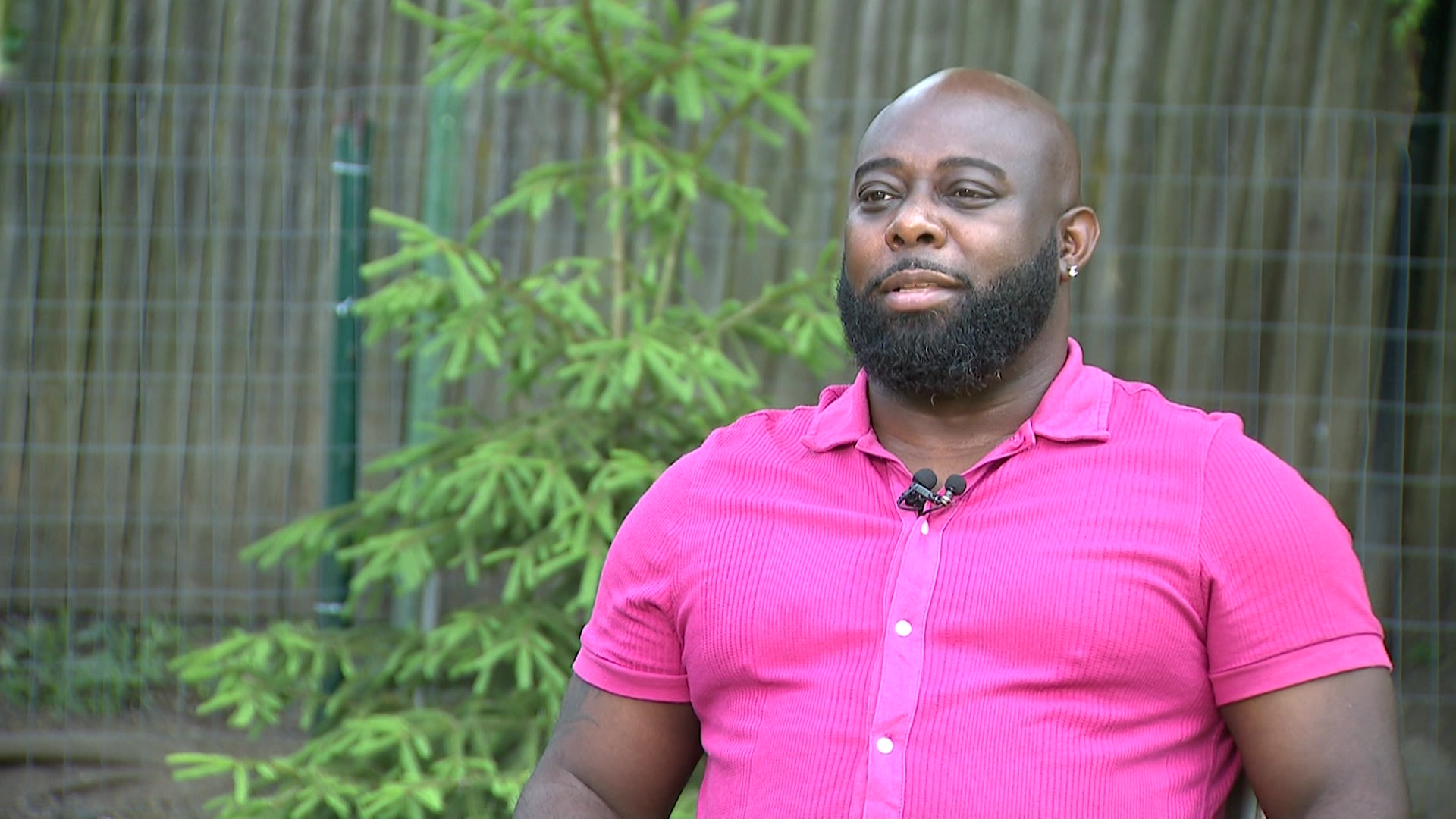
That’s why Colin Duggan, of Fairfield, stayed on the dock Monday.
“I’ve only gone out once, but, you know, sometimes you've just got to go over a couple of rough patches,” he said.
KNOW BEFORE YOU GO
The best advice? Get a marine map or GPS unit with a depth finder.
“Have the GPS equipment,” said Officer Thiago Reaes. “Also familiarize with our coastlines, where the breakwaters are or the reefs are.”
And if you get into trouble, have a way to call for help.
“VHF radio, cell phone, hand-held CB,” Goncalves said. “Just have some kind of communication if, God forbid, something does happen – an emergency – you’d be able to contact a family member, the Coast Guard.”