Westport's Police Department and Human Services Department partner on new Community Care Unit
In the past, Westport police say that when they would respond to a wellness or mental health-related call, they would refer it to the Human Services Department, but for the most part, they would not follow up or track it.
More Stories

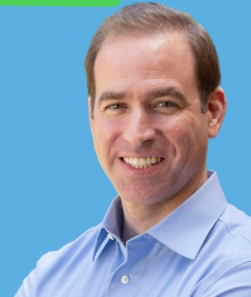

The Westport Police Department and Human Services Department have teamed up for a new effort called the Community Care Unit, which they say is about communication more than anything else.
"It's both working internally to bring the systems together, but it's also bringing the residents and the community itself together, said Elaine Daignault, the town's director of human services.
In the past, Westport police say that when they would respond to a wellness or mental health-related call, they would refer it to HSD, but for the most part, they would not follow up or track it.
But after spending the fall looking at the numbers, police and HSD found that those sort of 911 calls were increasing and looked for a better way to approach them.
"Often times when there are emergency calls, Human Services may know the families or households and already be providing supports," said Daignault.
The solution the two departments was to combine their knowledge, and they officially launched the new unit on Jan. 1.
"You're connecting the dots both between police, fire, EMS and Human Services," said Daignault. "But you're also connecting the dots for other state and federal programs that they might not know exist as well."
Police are now following up on wellness and mental health calls, as well as working with social workers and hospitals to track and document what happens. Police say this gives officers important information when they respond.
"The officer can see the history, and actually see 'OK, well a social worker is actually working with them right now,' and then they can give them a call and say 'hey, this is what's going on today,'" explained Lt. Sereniti Dobson, who is leading the unit for the Westport police.
"We're not sharing their life story with the police department," added Daignault, "but we are saying...we have this under control, here's some resources we've connected them to."
The two say they hope the increased communication will help build more trust in the community and eventually lead to less repeated 911 calls from the same locations.
"They become more comfortable with the police coming in, because they know it's non-punitive," Daignault said. "I think what I'm noticing is a feeling of relief and support, as opposed to a feeling of shame and embarrassment."