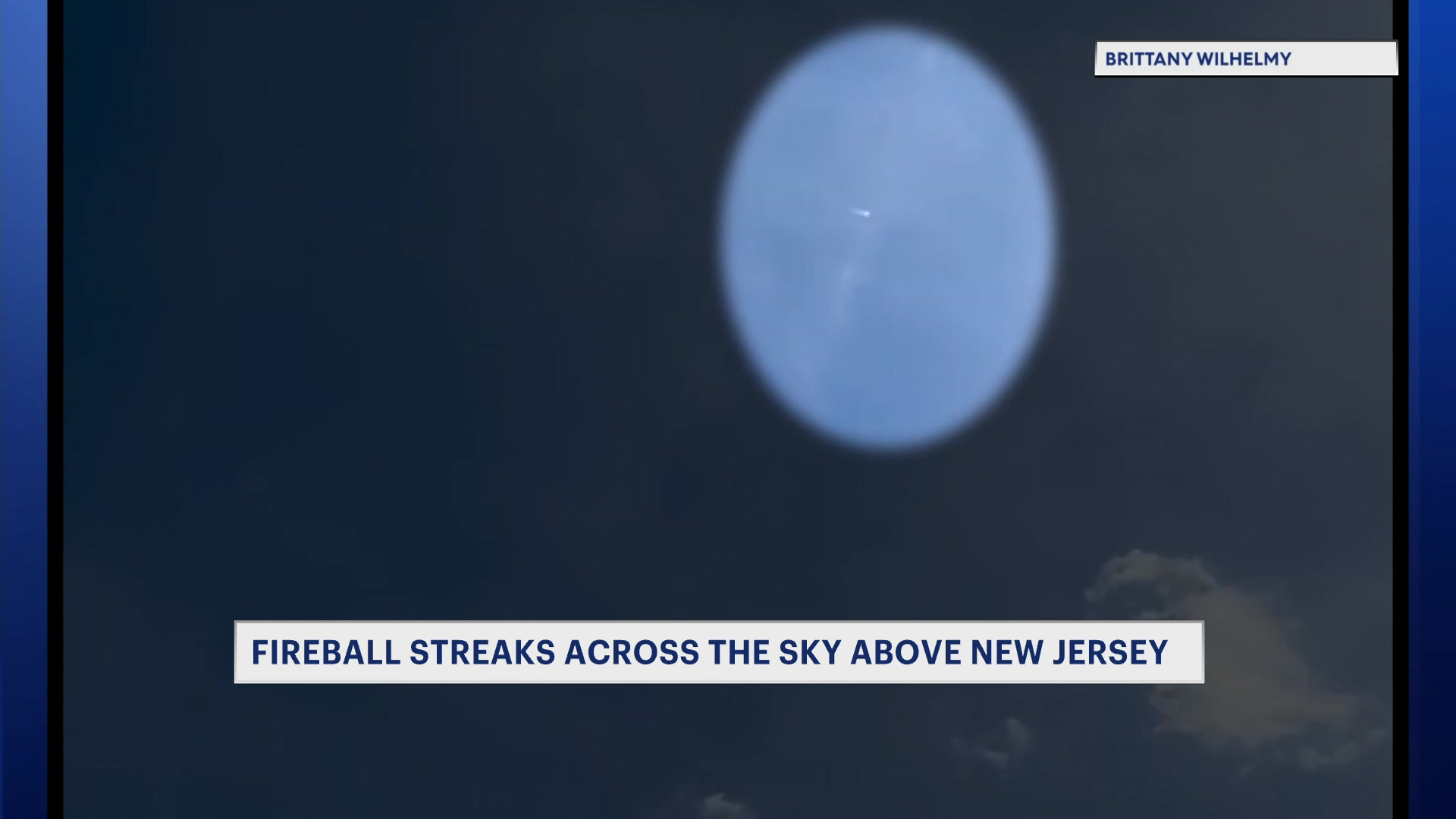
Sadly, we will miss the peak of the Geminid meteor shower this year, but we'll get snow instead!
The peak this year is the overnight of Dec. 13-14 , but you may be able to see some stray meteors, or “shooting stars” until the winter solstice on Dec. 21.
More Stories
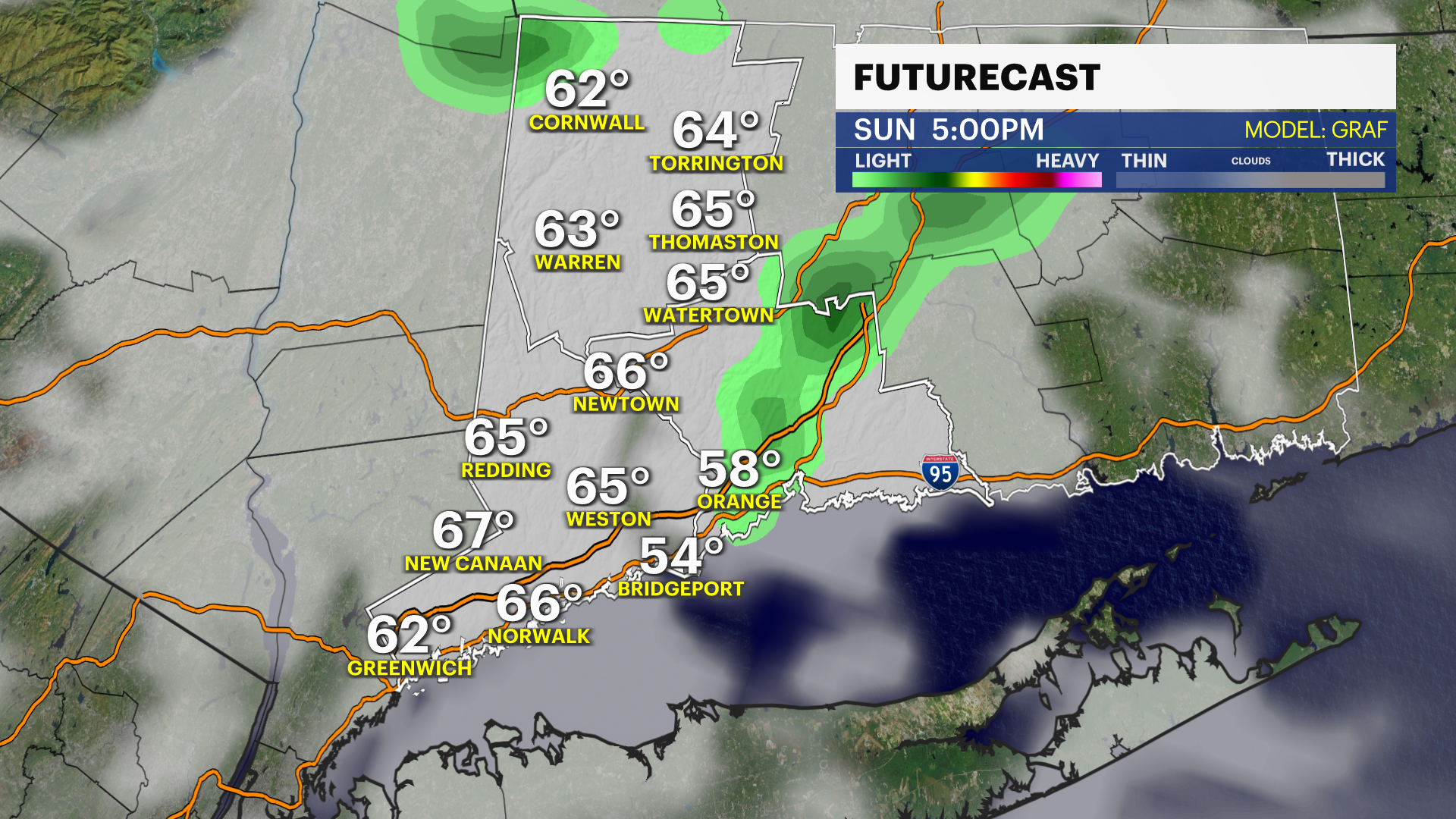
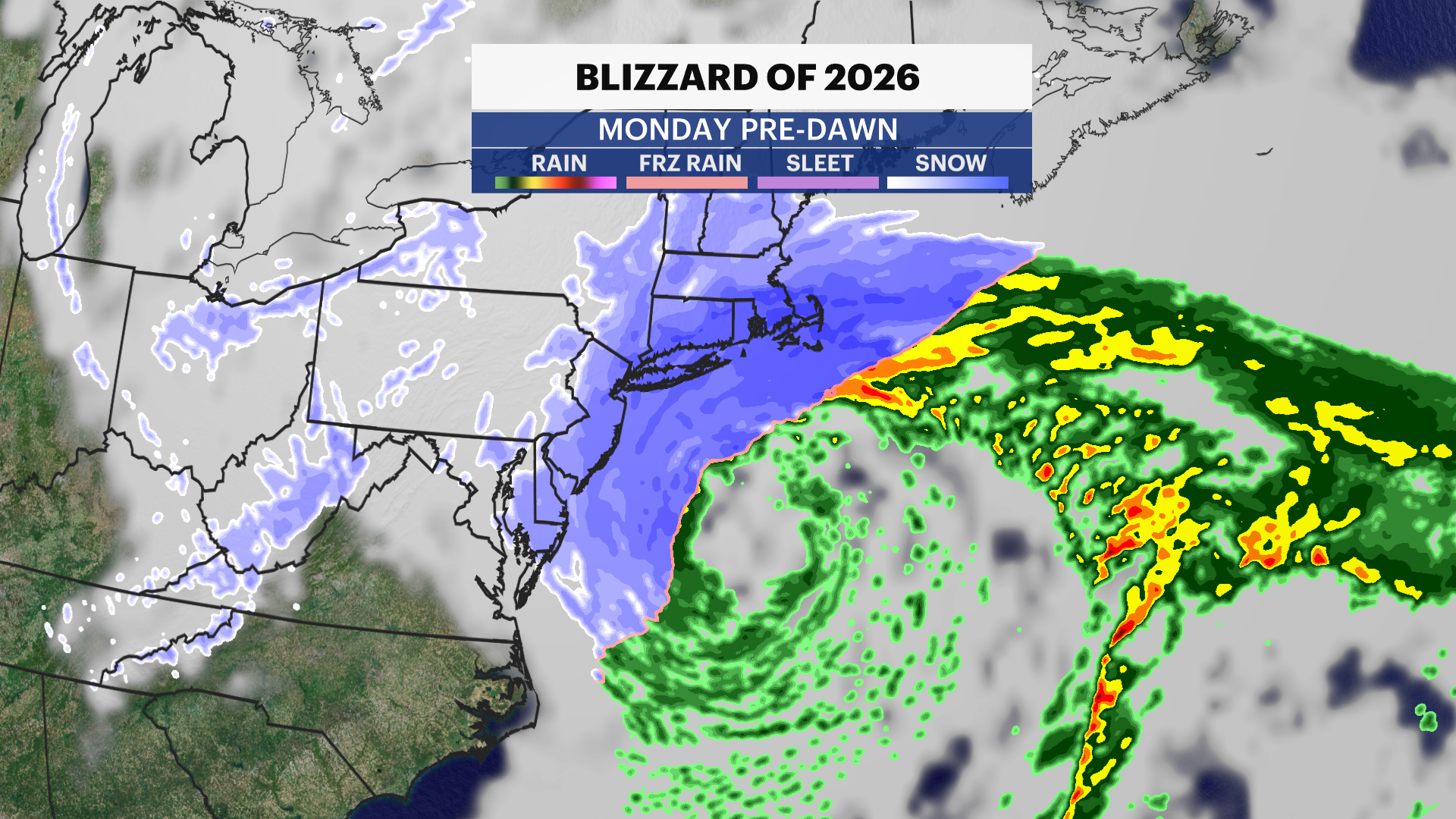


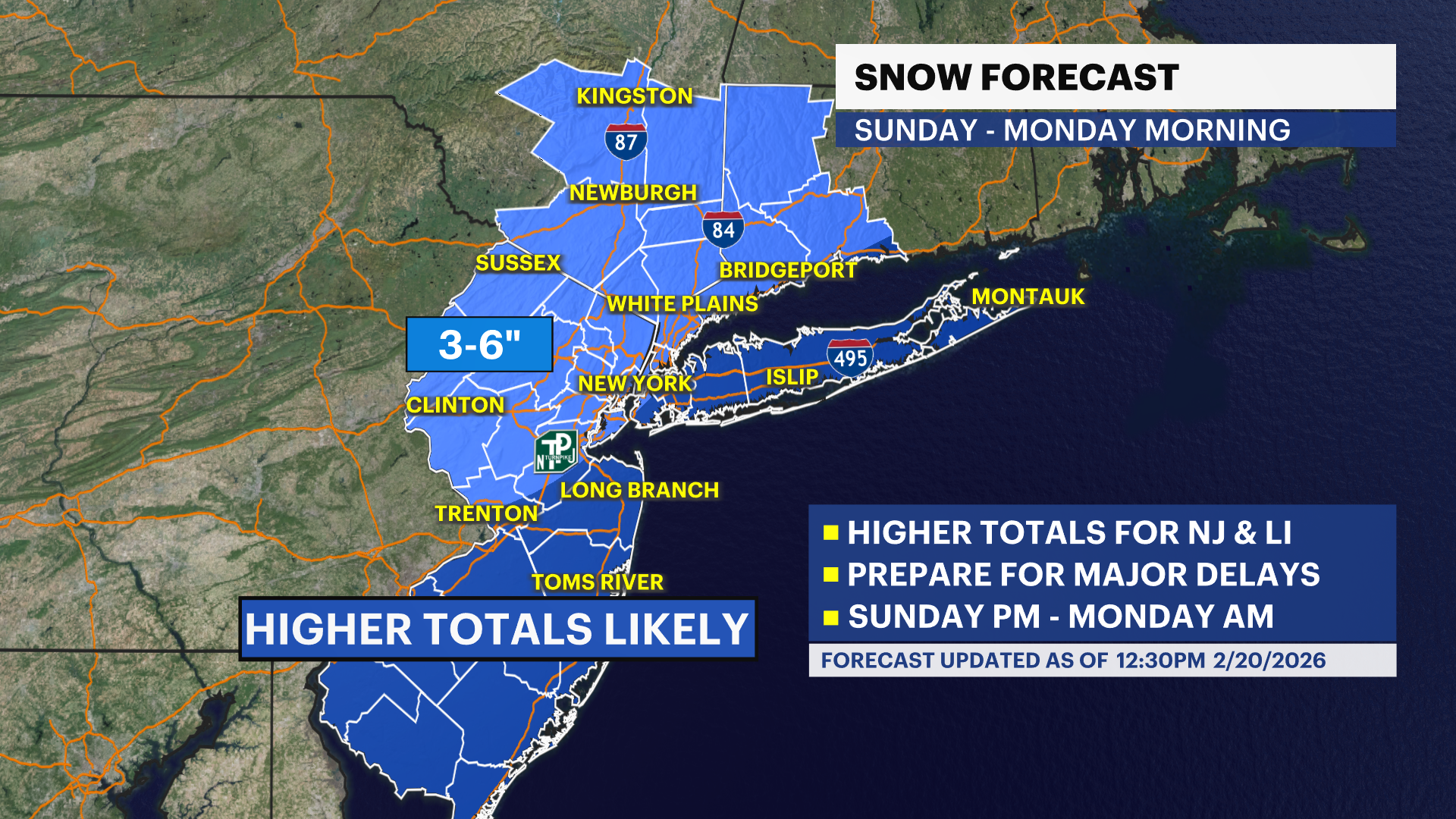
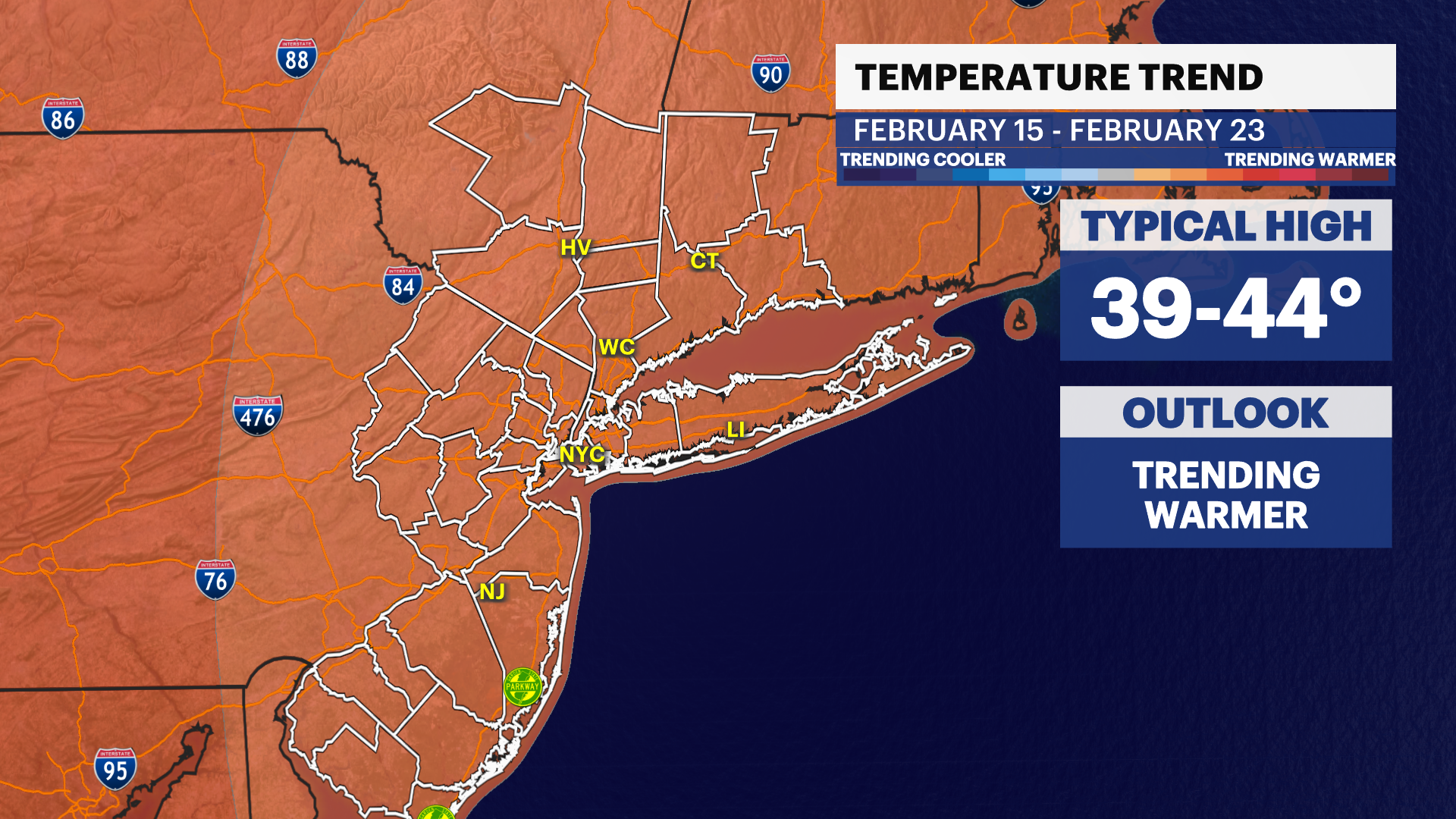
It’s time for the annual Geminid meteor shower, but this year doesn’t look like we’ll be able to see it. The peak is happening this weekend, and that’s right about the time we will see snow. This weekend will be the first time there will be a widespread measurable snowfall in the tri-state area.
The peak this year is the overnight of Dec. 13-14 , but you may be able to see some stray meteors, or “shooting stars” until the winter solstice on Dec. 21.
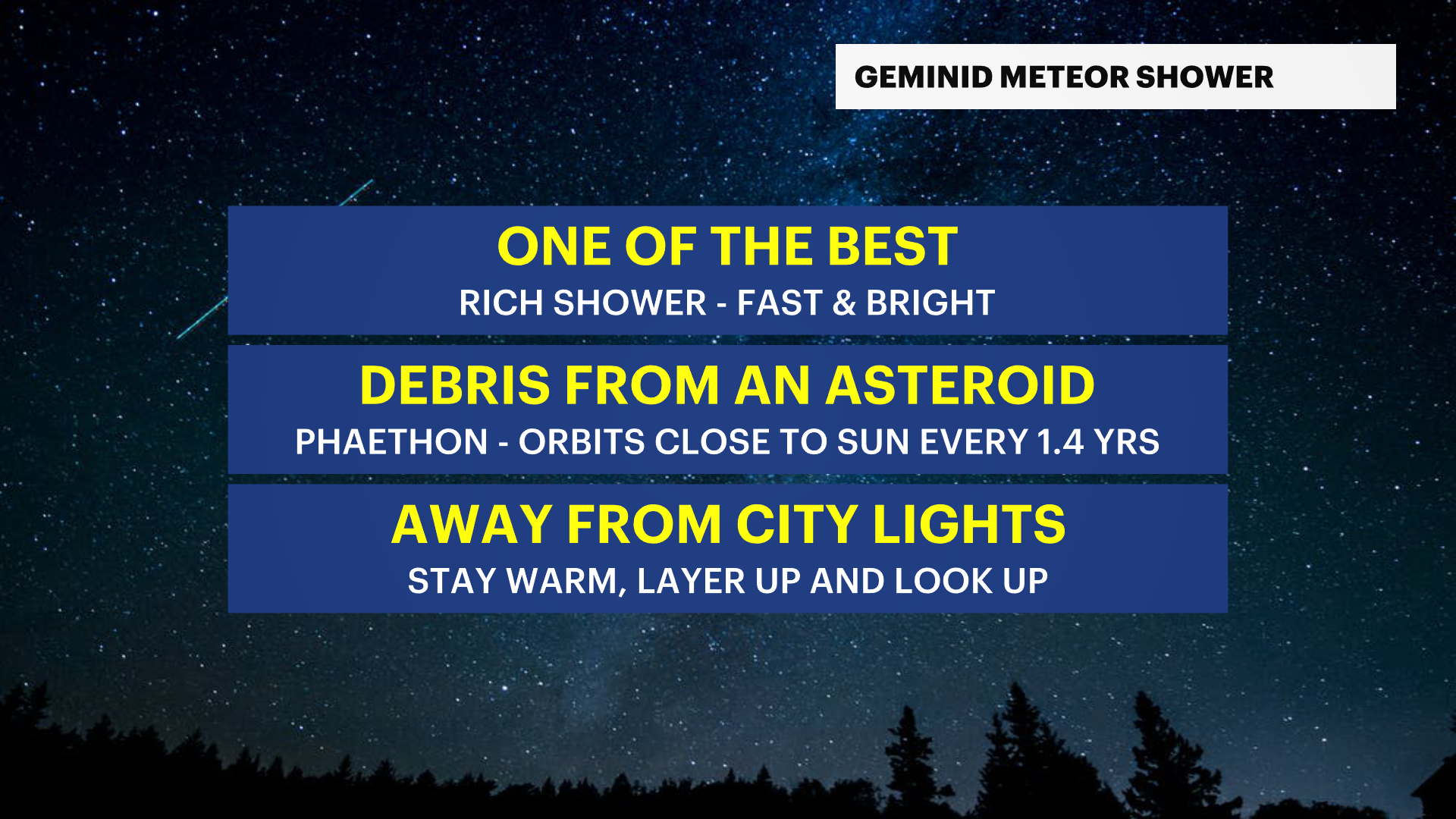
This shower is known as the Geminids because the radiant point is very near Castor in Gemini (the Twins). The interesting thing about this meteor shower is that it's the first from an asteroid and not from a comet. The parent is Phaethon, an asteroid, discovered in 1983 and it orbits the Sun every 1.4 years. Some say this could be a "dead" comet, as it has no icy shell. It comes very close to the sun, closer than any other asteroid, so that's enough for it to crack and shed some dust!
It’s a rich shower known for its fast and bright meteors. Earth cuts through Phaethon's orbit the first three weeks of December, passing through the core on the night of Dec. 12-13.
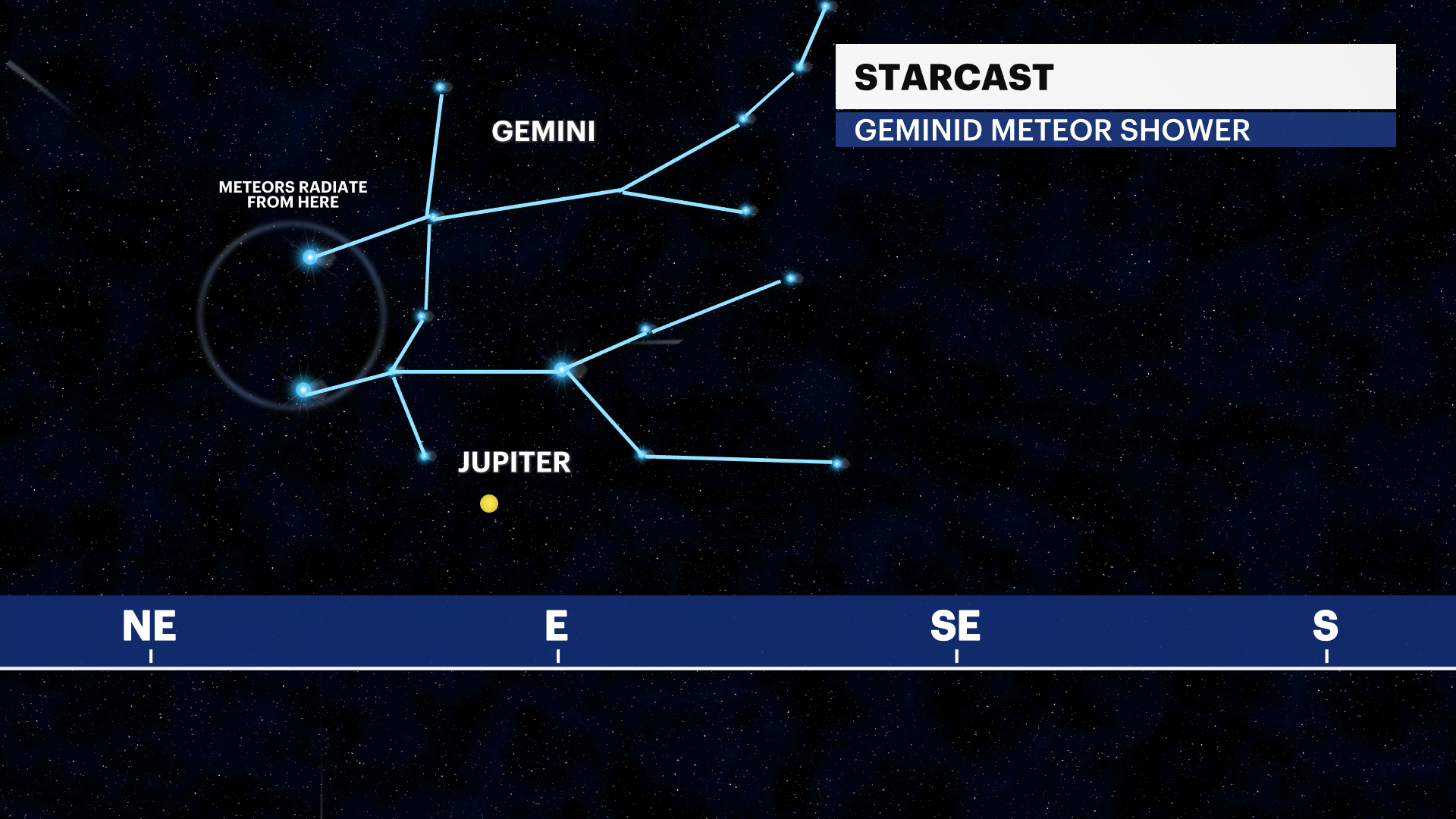
The constellation Gemini rises in the east and will be high enough on the horizon after about 9 p.m. to view. The radiant point is near Castor, one of the twins, and if you aren’t familiar with where to look, it’s near Orion.
The winter solstice is right around the corner, that’s when the Geminid meteor shower ends, and that’s also when our days start to grow longer again.
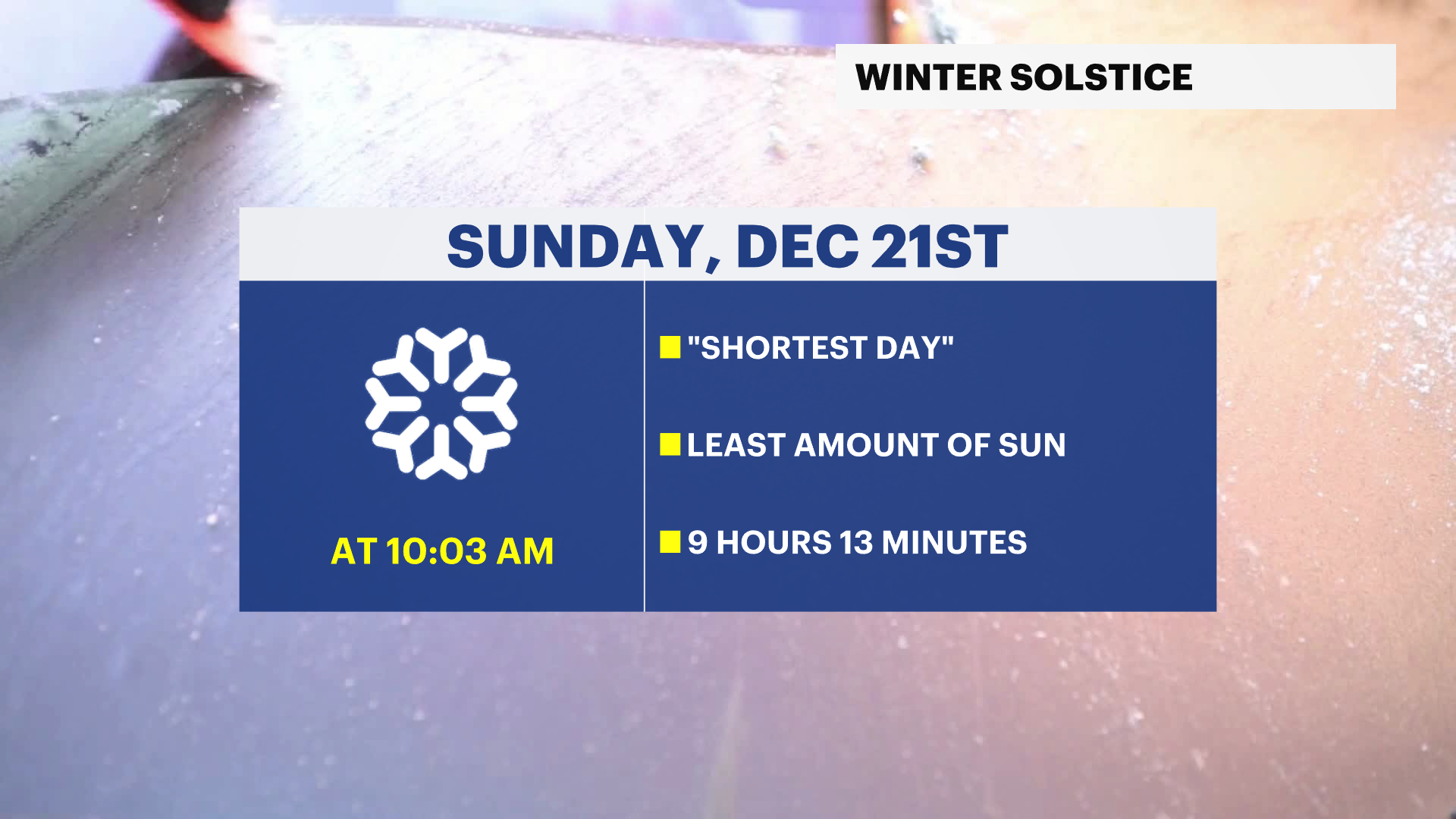
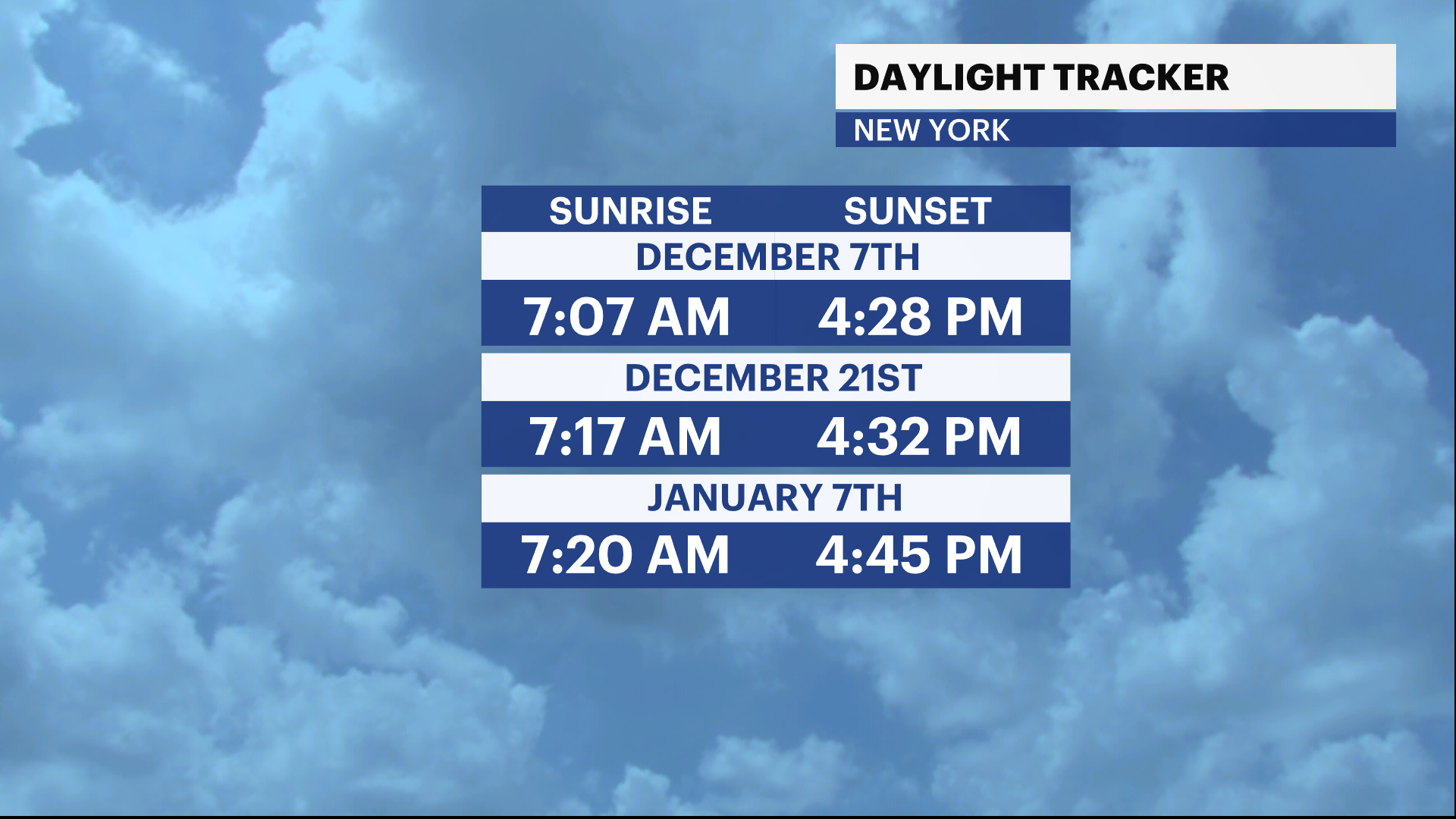
We all know that the “shortest day” of the year lands on the winter solstice, but did you know that the earliest sunset time for the year has already passed? That occurred back on Dec. 7. Our latest sunrise will take place on Jan. 7. This has to do with our axial tilt and that our days aren’t exactly 24 hours, but our clocks are. Earth’s elliptical orbit plays a role in when these extreme times occur on either side of the solstice. In the summer, it’s only one week before and after and in the winter it’s two weeks. That’s because the Earth moves a bit faster when it’s in perihelion.